Stack Tiny Moments, Grow Strong Bonds

This guide focuses on habit-stacking connection cues parents can add to daily routines so every morning, commute, mealtime, homework block, and bedtime carries a dependable spark of closeness. By attaching micro-rituals to actions you already do, you transform ordinary minutes into steady signals of safety, love, and teamwork. Expect realistic ideas, gentle science, and stories from real families proving that tiny, repeated gestures create lasting change. Share one cue you’ll try today and subscribe for fresh stacks that match your family’s evolving rhythms and challenges.

The Science Behind Tiny Anchors

When cues reliably precede connection, the brain predicts comfort and cooperation, reducing power struggles before they start. Habit-stacking uses existing neural pathways, saving energy and lowering resistance. Attachment research and the polyvagal perspective show that consistent, friendly signals nudge children toward calm readiness. Start small, repeat often, and let celebration wire motivation. Weave in joy, not pressure, and invite kids to co-create rituals so ownership grows. Share your first tiny anchor and tell us where it fits: doorway, car seat, table, desk, or pillow.

Wake-Up Routines That Invite Cooperation

Mornings shape the entire day, so pair a simple connection cue with the first light and first touch. Anchor a soothing phrase to opening curtains, a sip of water to a smile, and a quick stretch to a goofy countdown. Predictability reduces protests because children know what comes next and feel included. Try layering music, sunlight, and choice into the same sixty seconds. Tell us which greeting feels most natural for your household rhythm and energy.

Doorway Touchstone and Backpack Sweep
As you reach the door, both palms tap the frame once, followed by a quick backpack sweep—lunch, folder, comfort item. Speak one sentence that orients attention: “We’re stepping into focus and kindness.” The physical touch plus checklist reduces forgetfulness and anchors mindset. Repeating the same words daily sharpens memory through context-dependent recall. Invite your child to create the sentence, then alternate weeks. Ownership transforms the cue from parent directive to shared ritual.

Car-Seat Buckle Mantra and Red-Light Breaths

When the buckle clicks, whisper a tiny mantra like, “Safe seat, calm feet, curious eyes.” It’s short enough to remember under stress. At each red light, everyone inhales to the window count and exhales to the dashboard count, making traffic your built-in breathing coach. This playful structure tames restlessness without lectures. End the ride by pointing out one thing you appreciated about your child’s presence, reinforcing the commute as a pocket of connection rather than just logistics.

Meals That Nurture Conversation, Not Power Struggles

Attach a dependable conversation spark to the moment everyone sits or the first plate touches the table. Keep it short, playful, and inclusive so talking becomes part of eating, not a performance test. Rotate between gratitude bites, quick storytelling, and curiosity games. Pair words with a simple physical anchor like passing a wooden spoon or lighting a small candle. These cues signal belonging and ease. Share a go-to prompt, and we will feature reader favorites in future posts.

01

Rose, Bud, Thorn in Sixty Seconds

As the first fork lifts, pass a small object and share a rose (highlight), a bud (something you’re looking forward to), and a thorn (challenge). Limit to a single sentence each to prevent monologues. This structure balances positivity with honesty, modeling emotional range. When attention wanders, the object and sequence steer it back without scolding. Over weeks, kids begin initiating, proving that predictability breeds ownership. Celebrate when someone remembers to invite a quieter voice into the circle.

02

Two-Praise Rule to Encourage New Foods

Stack a simple script onto serving: name two non-appearance praises unrelated to eating—“I love how you poured carefully,” “Thanks for passing the salad kindly.” Shifting focus from bites to behaviors lowers pressure and paradoxically increases tasting. Keep the praises sincere, brief, and evenly distributed. When curiosity appears, honor it with a tiny cheer, not a bigger portion. This cue protects autonomy while inviting exploration, turning meals into cooperative experiments rather than battles of wills.

03

Family Question Jar That Truly Works

Place a small jar beside the napkins. When water glasses arrive, pull a question crafted for quick, heartfelt replies: “When did you feel brave today?” or “What color was your afternoon?” The jar’s presence becomes a visual cue, so conversation starts itself. Invite kids to author questions on weekends, deepening investment. Keep answers time-boxed, then return the jar with a gentle tap to signal closure. Consistency prevents awkward silences and helps everyone feel interesting, not interrogated.

Homework, Chores, and Screens Without the Fight
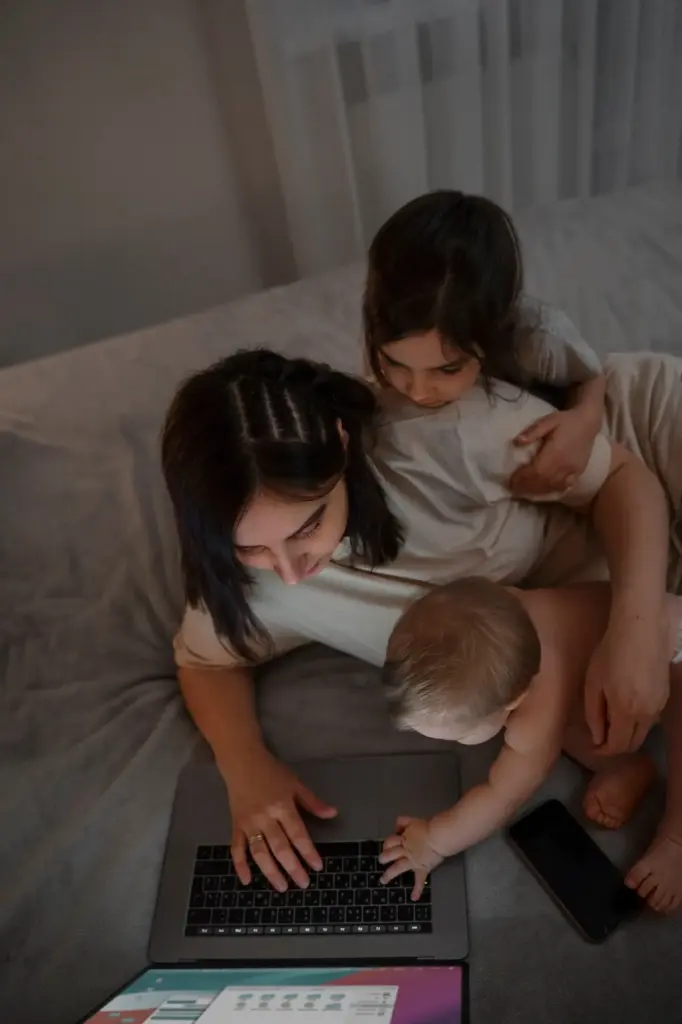
Stack connection before direction. A tiny warm-up—eye contact, shared breath, playful countdown—lowers defensiveness so tasks start smoother. Attach a start cue to the same minute daily, like the lamp switch or timer chime, then close with a predictable celebration. Use visual anchors and body-doubling to sustain momentum. For screens, script a handover ritual that feels respectful yet firm. Comment with one friction point, and we will reply with a custom stack you can test tonight.

Launch Pad and Two-Minute Preview

Prepare a small tray that holds pencil, charger, and assignment list. When the lamp turns on, announce a two-minute preview: “We’ll skim directions together, then you choose the first step.” This pairs order with autonomy. The preview reduces uncertainty, which often masquerades as resistance. Close the session by returning tools to the tray, tapping it twice to mark completion. Over time, the tray plus lamp becomes a reliable start-stop system that spares everyone nagging.

Body-Doubling for Momentum

Sit nearby doing a parallel, visible task—paying a bill, reading a page—while your child tackles their work. Begin with a synchronized sixty-second focus timer, then share one win aloud. This companion presence, called body-doubling, leverages social cues to sustain effort. Stack it onto the same chair and soundtrack so setup becomes automatic. Fade your presence in tiny steps as independence grows, but keep the opening sync to preserve the reassuring signal of togetherness.

Bedtime That Sticks and Soothes

Vexonexopentolaxilivo
Privacy Overview

This website uses cookies so that we can provide you with the best user experience possible. Cookie information is stored in your browser and performs functions such as recognising you when you return to our website and helping our team to understand which sections of the website you find most interesting and useful.